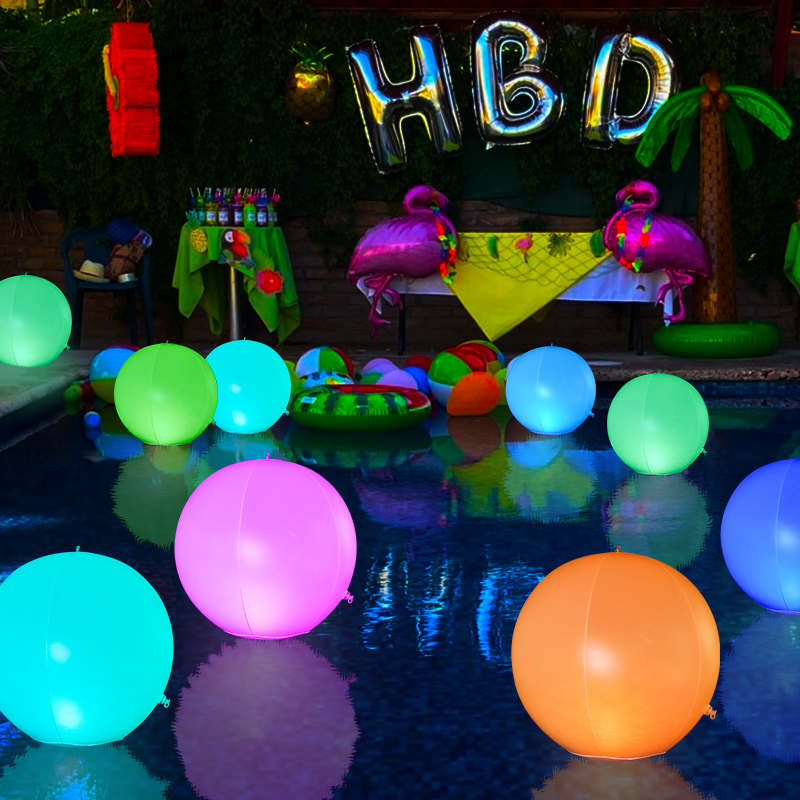
How To Use Inflatable Lights To Maximize The Effect Of Event Marketing
September 13, 2024Outdoor Highlights: Nighttime Use of Inflatable Lights
September 21, 2024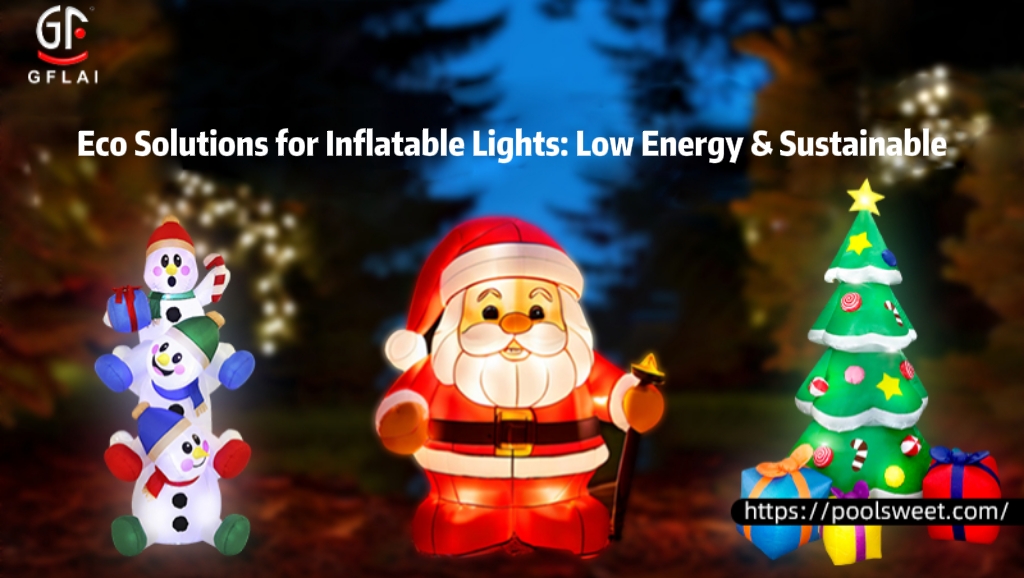
Eco Solutions for Inflatable Lights: Low Energy & Sustainable

In today's world, sustainability is more important than ever. As we move towards eco-friendly solutions, the Inflatable Lights product industry is evolving to meet the growing demand for environmentally conscious options. This article explores how inflatable decorations, particularly inflatable lights, are combining low energy consumption with sustainable materials to create a greener future.
The Rise of Inflatable Decorations
Inflatable decorations have become increasingly popular for events, holidays, and advertising. Their versatility and ease of use make them a favorite choice for many. However, traditional inflatable products often rely on materials and energy sources that are not environmentally friendly. The challenge lies in finding ways to make these products more sustainable without compromising their functionality or aesthetic appeal.
Low Energy Consumption in Inflatable Lights
One of the primary concerns with inflatable light-up products is their energy consumption. Traditional lighting solutions can be power-hungry, leading to increased energy use and higher carbon footprints. Fortunately, advancements in LED technology have provided a solution. LED lights are not only brighter and longer-lasting than traditional bulbs, but they also consume significantly less energy.
By integrating LED lights into inflatable decorations, manufacturers can reduce energy consumption while maintaining the desired brightness and visual impact. This shift towards low-energy lighting solutions is a crucial step in making inflatable products more eco-friendly.
Sustainable Materials for Inflatable Products
Another critical aspect of creating eco-friendly inflatable products is the use of sustainable materials. Traditionally, inflatables have been made from PVC, a type of plastic that is not biodegradable and can release harmful chemicals into the environment. To address this issue, manufacturers are now exploring alternative materials that are more sustainable and less harmful to the planet.
One such material is TPU (Thermoplastic Polyurethane), which is not only more environmentally friendly than PVC but also offers similar durability and flexibility. Additionally, some companies are experimenting with biodegradable materials that can break down naturally over time, reducing their environmental impact.
Combining Sustainability with Functionality
The challenge for manufacturers is to combine these eco-friendly materials and low-energy lighting solutions without sacrificing the functionality and appeal of their products. This involves rigorous testing and innovation to ensure that sustainable inflatables can withstand the same conditions as their traditional counterparts.
Fortunately, many companies are rising to the challenge. By investing in research and development, they are creating inflatable light-up products that are both eco-friendly and high-performing. These advancements are paving the way for a more sustainable future in the world of inflatable decorations.
Conclusion
As the demand for eco-friendly products grows, the Inflatable Lights industry is making significant strides in combining low energy consumption with sustainable materials. By embracing LED technology and exploring alternative materials like TPU, manufacturers are creating products that are kinder to the environment without compromising on quality or visual appeal. The future of inflatable decorations is bright, and it's also green.